Cruise Ship Water Filtration

Ballast Water Treatment Onboard A Cruise Ship Krohne Uk
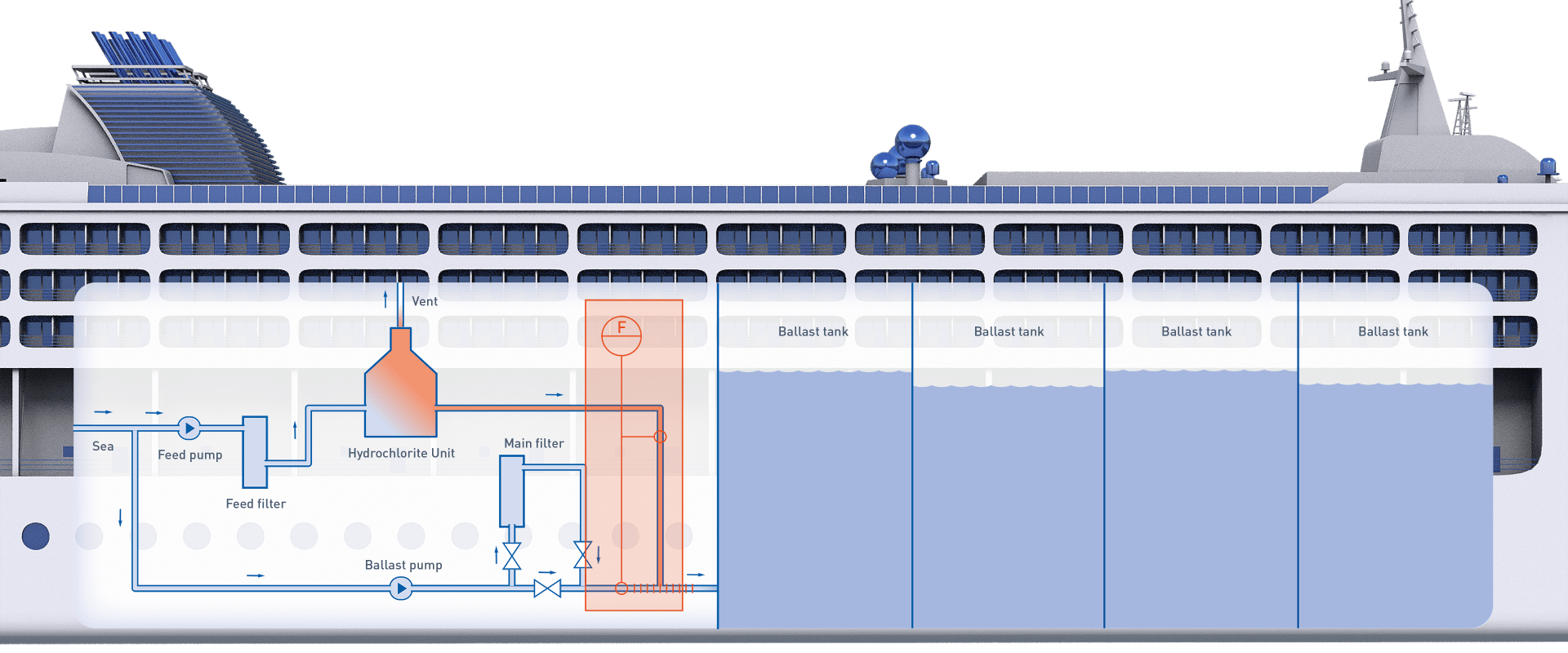
Ballast Water Treatment Onboard A Cruise Ship Krohne Uk

Ballast Water Treatment Onboard A Cruise Ship Krohne Uk
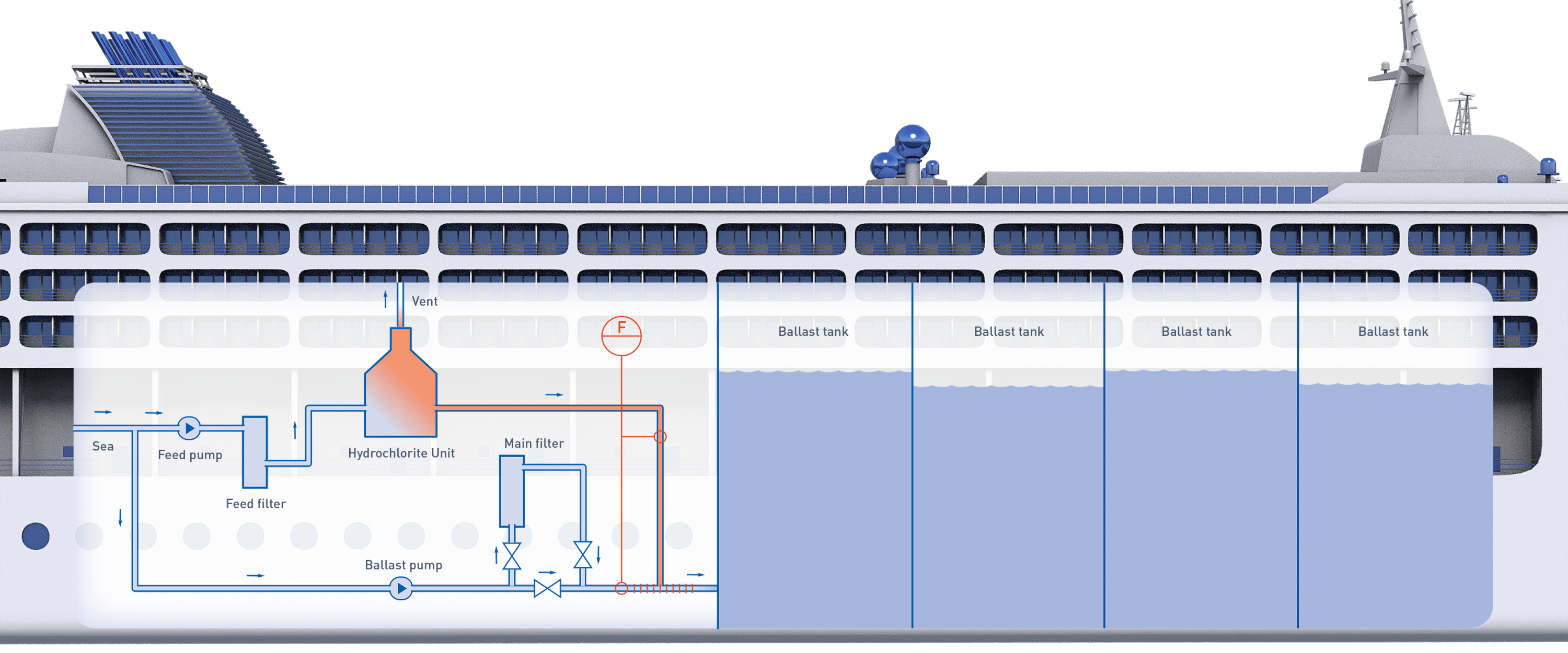
Ballast Water Treatment Onboard A Cruise Ship Krohne Uk

Ballast Water Treatment Onboard A Cruise Ship Krohne Uk
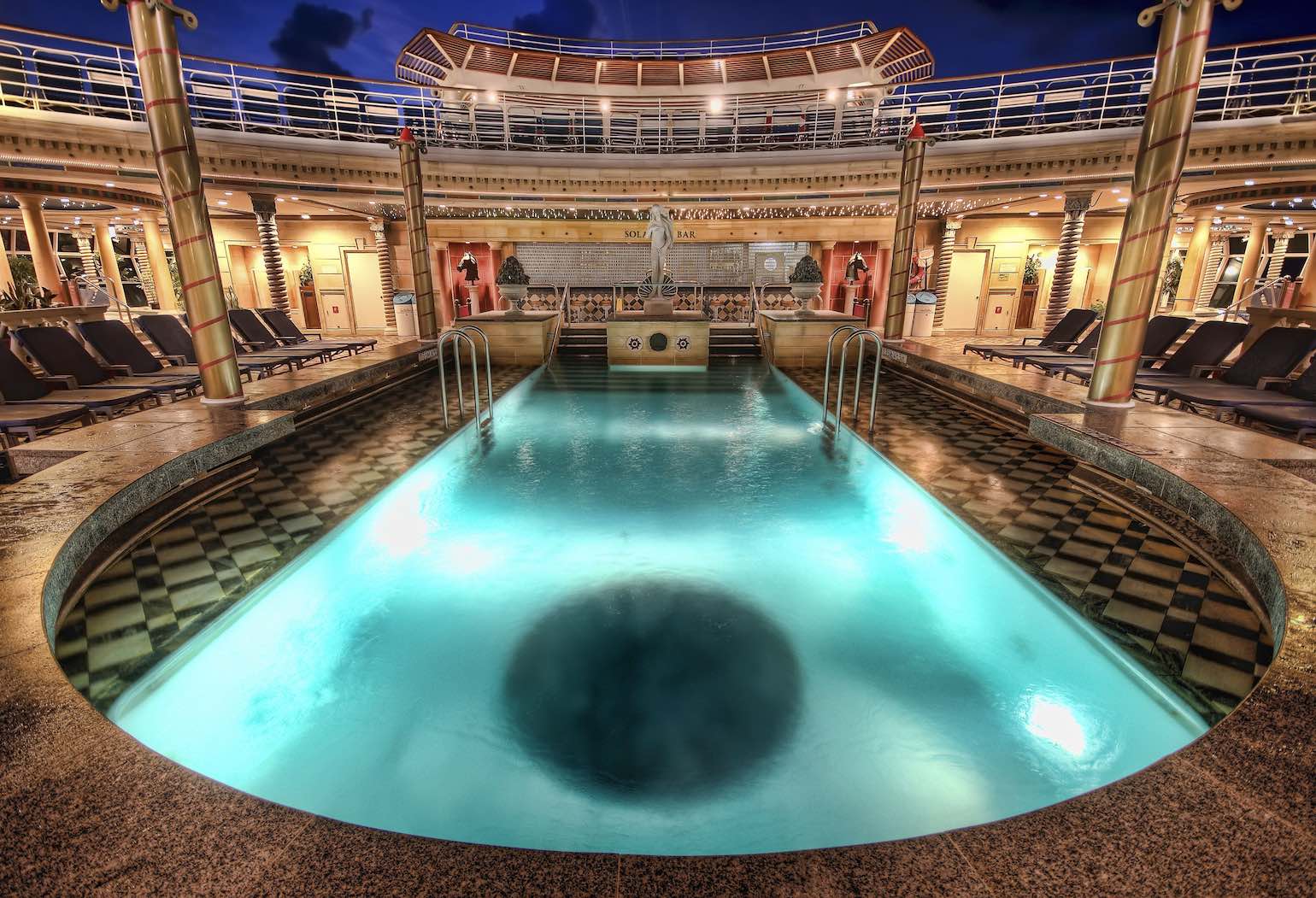
Do Showers And Toilets On Cruise Ships Use Fresh Or Salt Water Cruise Deals Expert

Cruise Ship Bilge Water Treatment 1 Bilge Well Collects water and any oil from the machinery spaces below decks 2 Filtration Process A Static Separation Tank.
Cruise ship water filtration. The second method osmosis filters sea water through a fine membrane to separate pure water from salt and other minerals. Answer 1 of 2. To elaborate on Tom Mcfarlanes amswer.
To be clear cruise ships can convert sea water into fresh water. The blackwater is treated in bioreactors deep in the bowels of the ship where all the. They will sometimes buy potable water in port you can sometimes see the large hose running to the ship on the pier test the water further filter and treat it and then use it as drinking water.
Blackwater requires treatment before discharge whereas the greywater can be discharged directly into the sea with minimal filtration. After desalination the water is passed through a mineralization plant which adds minerals. Most cruise ship water is desalinated sea water.
The water is sent into a filtration system to separate solids. The liquid is sent into a bioreactor and membrane filtration system to further filter impurities. In a method that mimics nature where evaporated sea water falls as rain the onboard system uses osmosis which uses a fine membrane to filter sea water separating minerals and salt.
Laboratory Ultrapure Water Purification Systems from ELGA LabWater. Filtration Process B. What is the water filtration process on a cruise ship.
The second method osmosis filters sea water through a fine membrane to separate pure water from salt and other minerals. The process usually involves steam evaporation -- essentially turning saltwater into. Initially saltwater from the sea enters the desalination system and passes through an optional 100 micron strainer designed to remove any large contaminants such as seaweed or fish into a low pressure boost pump.
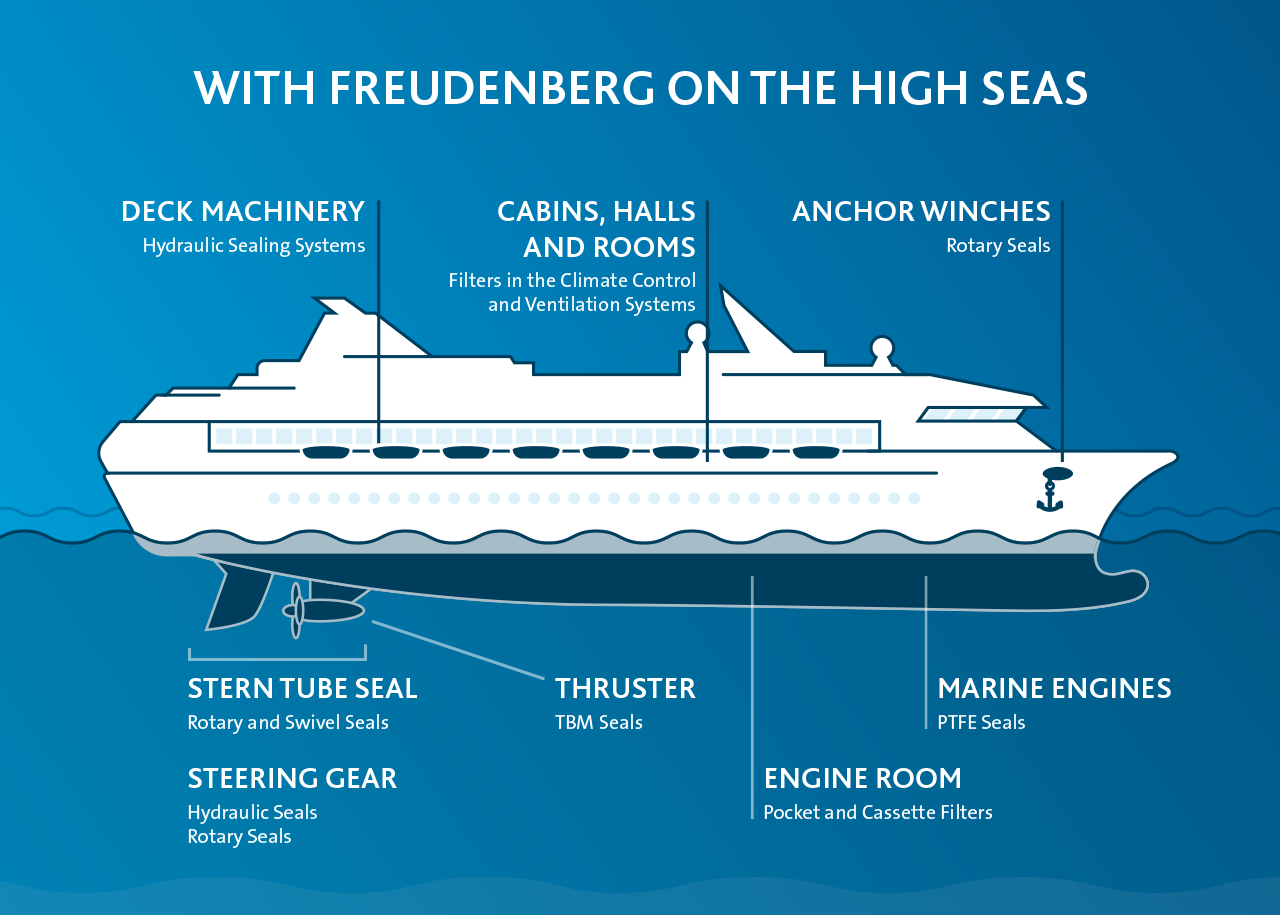
Freudenberg Group Freudenberg Group Products For Cruise Ships
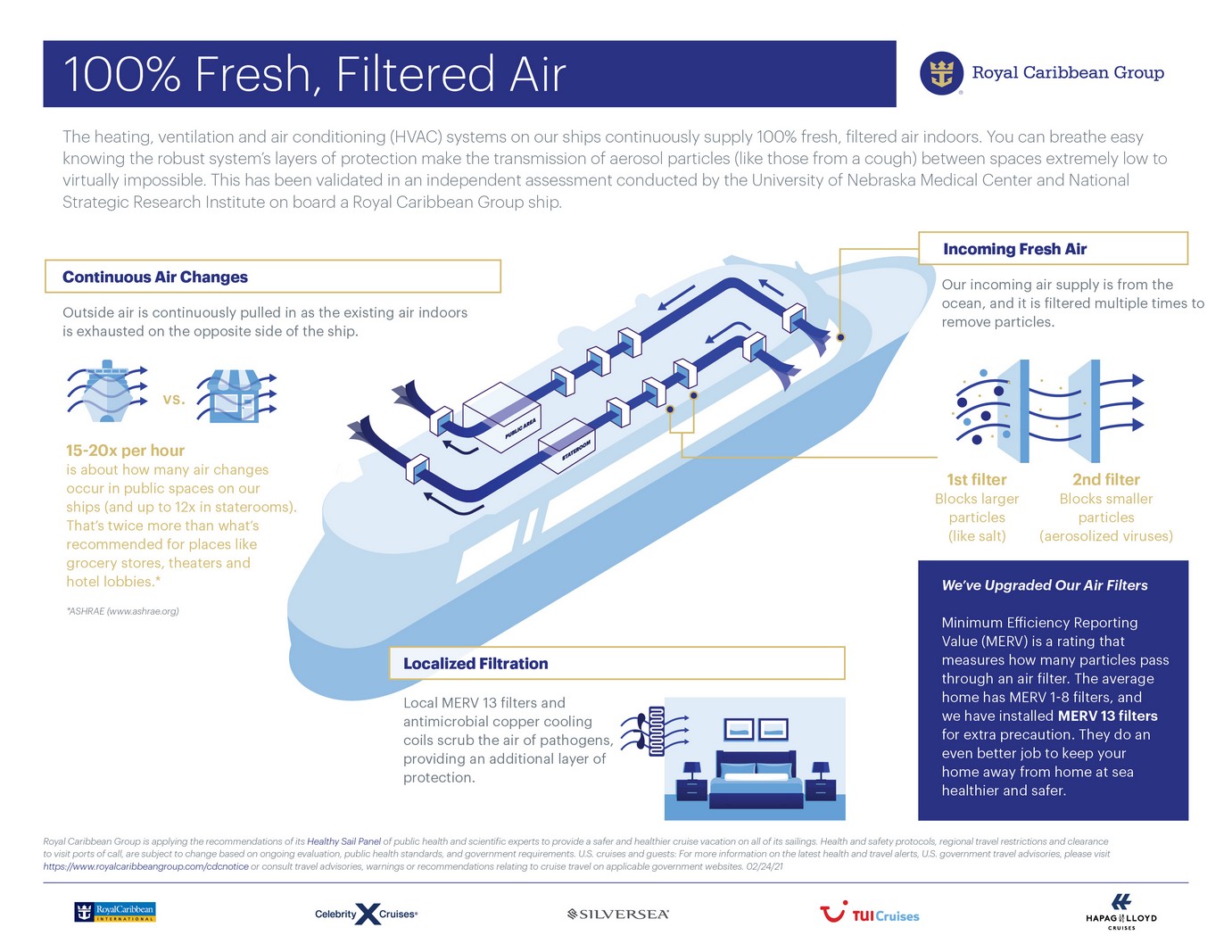
Cruise Ship Ventilation Study Shows Undetectable Transmission Of Aerosol Particles Such As Covid 19 Cruise Blog

Veolia Offers Pre Filtration Disk System For Ro Cruise Industry News Cruise News
Extended Evac Complete Cleantech Solution For Various Vessel Types Evac News

Case Marine Reverse Osmosis System Protected Bollfilter

Sea Water Desalination Plant Cost Usa Uae Ksa Desalter Cost Effective Low Maintenence In Nanofiltersolutions

Cruise Ship Ventilation Study Shows Undetectable Transmission Of Aerosol Particles Such As Covid 19 Cruise Blog

Smoke And Mirrors Cruise Line Scrubbers Turn Air Pollution Into Water Pollution Cruise Law News

Hvac R For Cruise Ships Ferries

The Leading Cruise Companies On Environmental Reporting Gliese Foundation
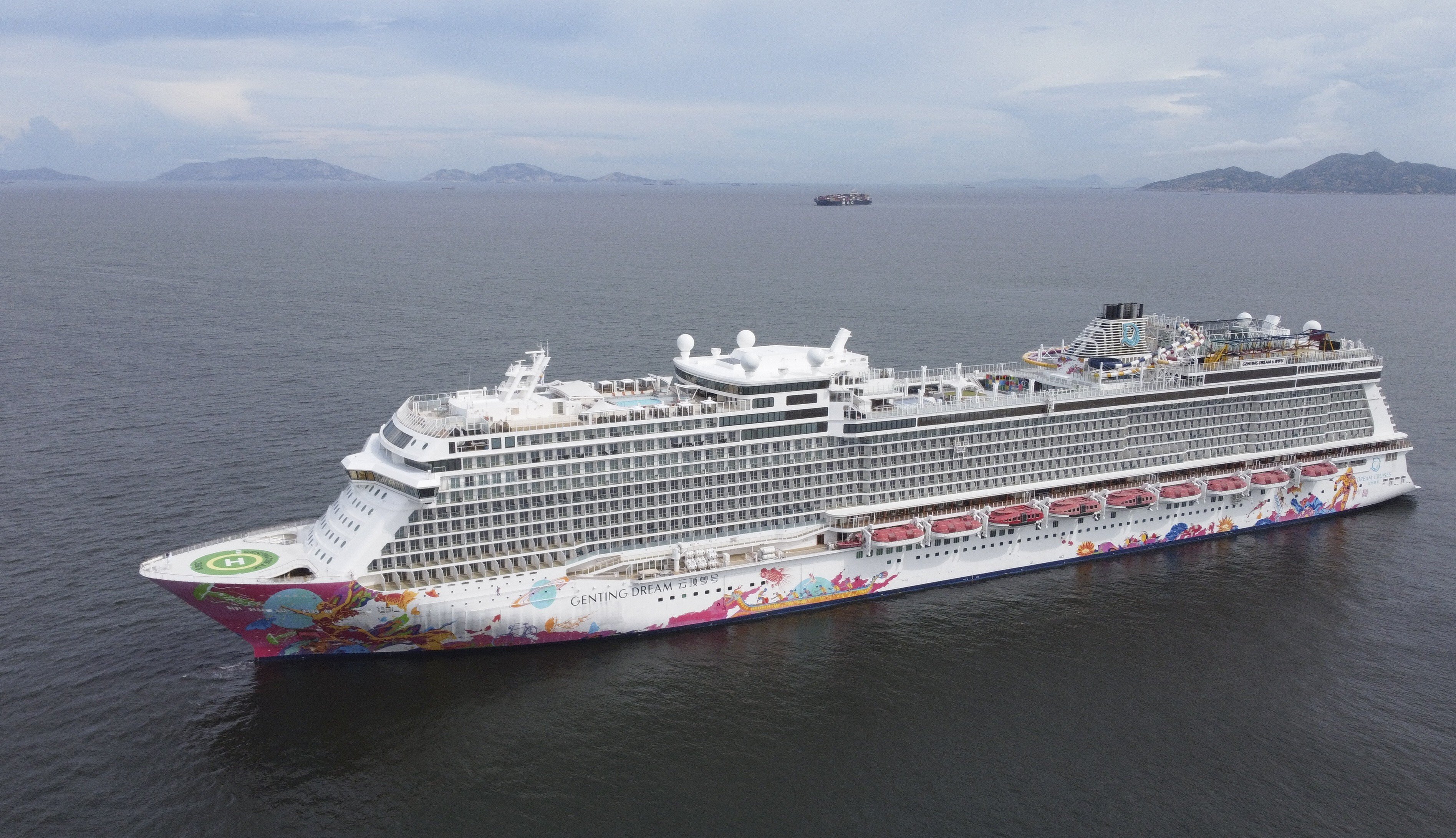
Hong Kong S Cruises To Nowhere Ready To Start At End Of July As Company Learns Lessons From Coronavirus Infection On Singapore Ship South China Morning Post
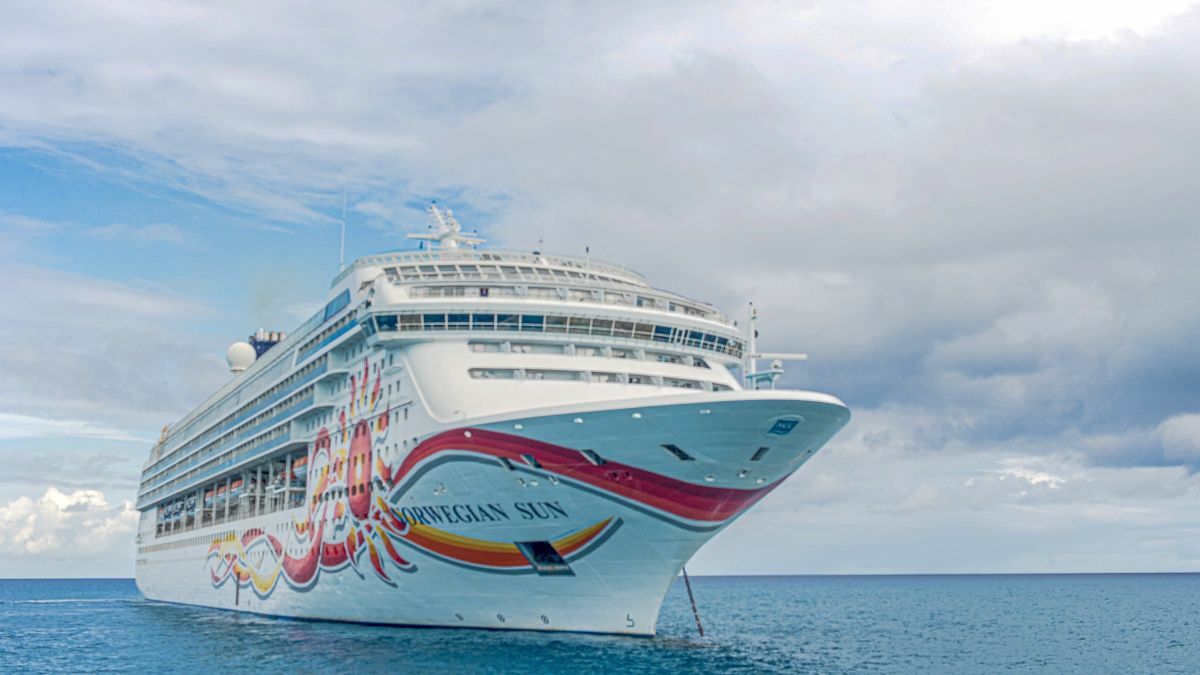
Riviera News Content Hub Cleantech Is Not Optional

Cruise Fan Coil Unit Enigma Lt

Evac News Evac Newsroom

